EO/IR systems · Shenzhen, China WhatsApp +852 5973 0853

Intelligent EO/IR systems · 2026

EO/IR systems.
See further. Act faster.

Stabilized airborne payloads, AI tracking and precision seekers — engineered as one optical stack for detection, tracking and guidance.

14Documented platforms
5Mission families
≤35 msAI tracking latency
7Seeker formats
01 / Detect

Find the signal

Visible, thermal and laser sensors acquire targets across day, night and low-contrast conditions.

Explore sensing
02 / Decide

Classify fast

Onboard AI recognizes people, vehicles, boats, UAVs and buildings, then proposes a track.

TK5340
03 / Track

Hold the line

Two- and three-axis stabilization keeps the target centred through vibration and airframe motion.

Tracking systems
04 / Guide

Close the loop

Compact IR and TV seekers provide terminal homing for guided munitions and interceptors.

Seeker family

The Optronic Works range

Five families.
Three selection stories.

Start with the mission envelope, then move into the payload family. Every product remains a separate configuration; the page shows how the decisions connect.

01 / Airborne ISR

Airborne payloads

Six stabilized pods cover micro, tactical and long-range aircraft. The selection starts with installed mass, swept volume, endurance and whether visible, thermal and laser channels must share one line of sight.

PV40PV40DYTPT95BPT130PD70PD80B
Compare airborne payloads
Airborne EO/IR · System 01 190 g → 1.1 kg PT95B airborne EO/IR payload PV40DYT micro gimbal

02 / Persistent watch

A fixed gaze on the approach.

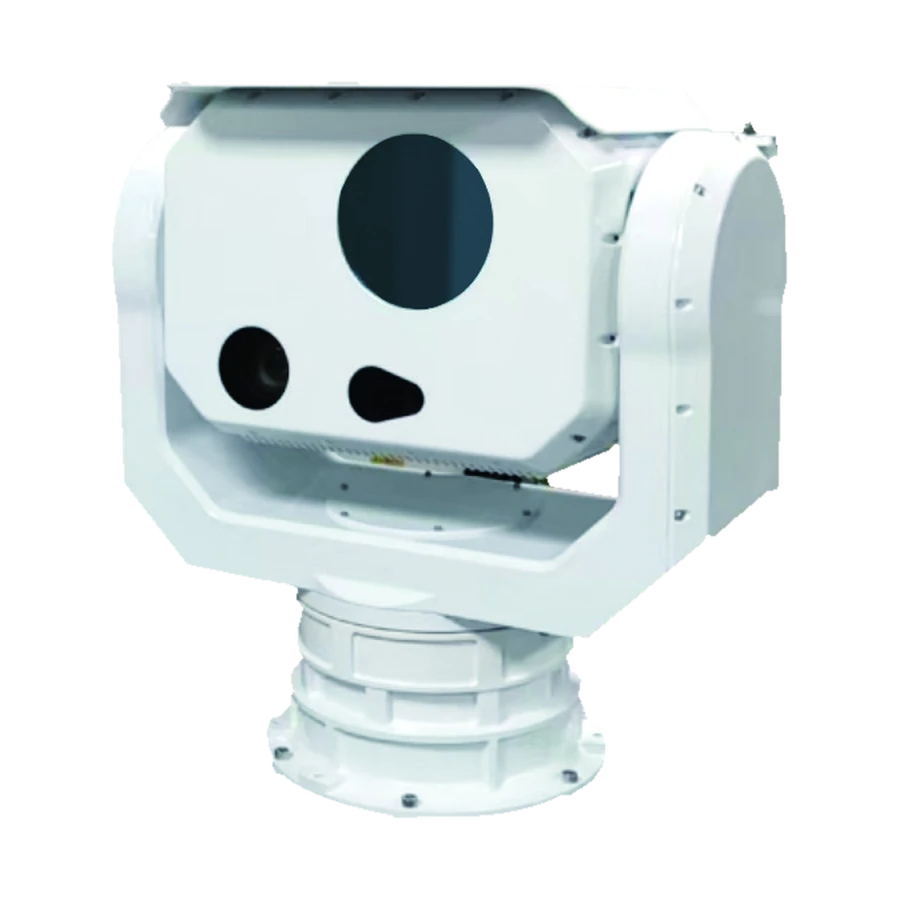
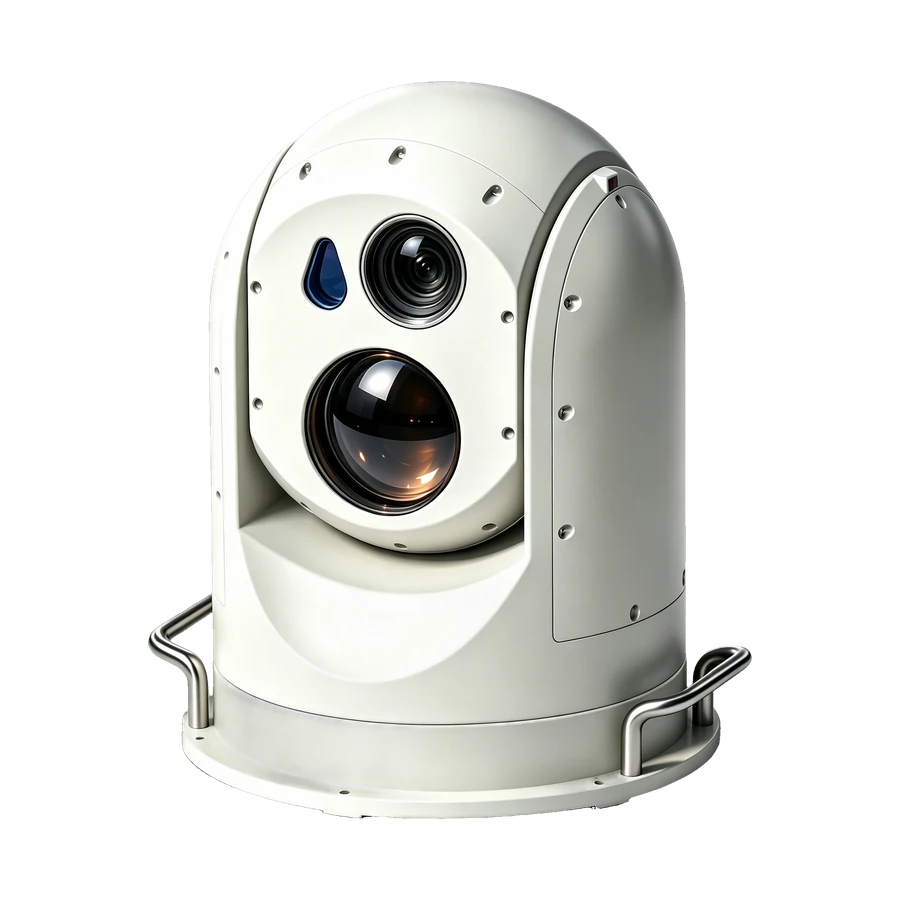
The PD230 and PD240 pedestals keep a 60× optical channel over a site. The PF400 adds 360° rapid search and a 75 mm thermal channel for small air targets. Select on sector coverage, recognition range, pedestal load and control-room handoff.

PD230PD240PF400
Explore fixed-site turrets
Fixed-site EO/IR · System 02 60× visible · 75 mm thermal PD230 EO/IR surveillance turret PF400 counter-UAS turret

03 / AI core & seekers

From pixels to a guided path.

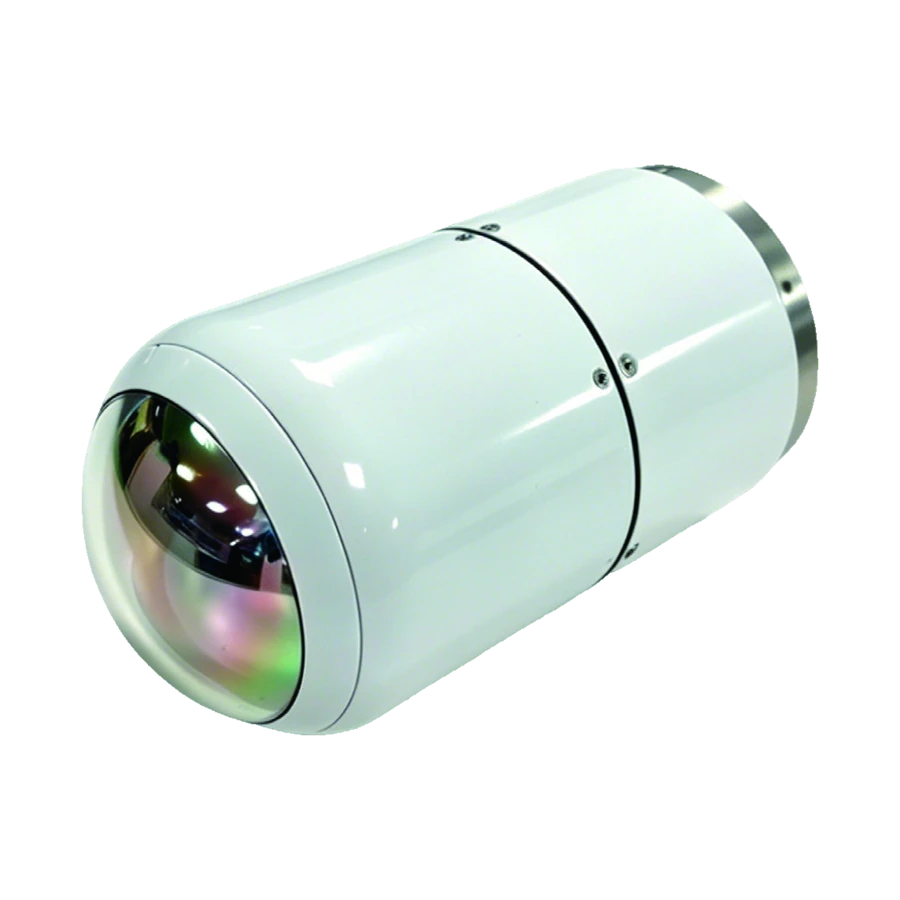
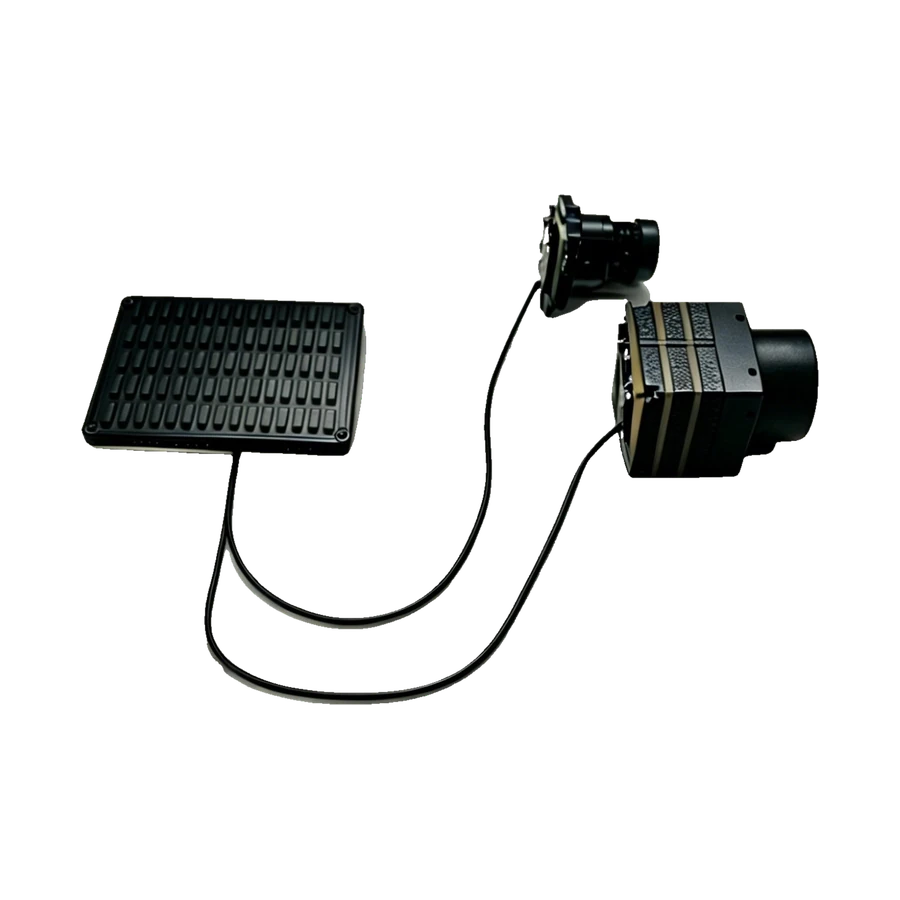
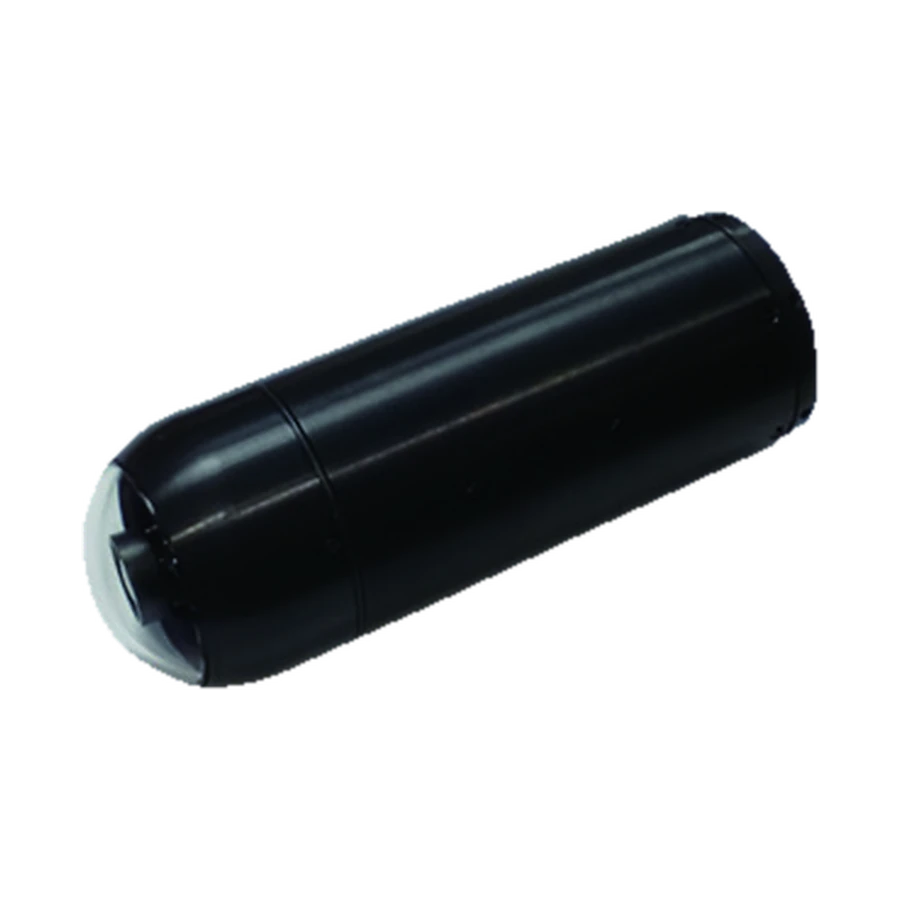
The TK5340 turns a video stream into a stable target track on board. DYT seekers close the terminal loop at diameters from 40 to 180 mm. Together they address the latency, interface and terminal-accuracy questions that follow image quality.

TK5340DYT40DYT70DYT78DYT93
View the seeker family
AI core & seekers · System 03 40–180 mm · on-board tracking DYT70 dual-sensor seeker TK5340 AI tracking module DYT40 compact seeker

Mission configurations

Choose the chain.
Then choose the hardware.

A typical engagement pairs an acquisition sensor, a stable tracking payload and a guidance or response layer. Product names are linked to their system pages.

01 / Air defence

Counter-UAS

Detect small air targets, maintain a track and hand the cue to an interceptor or effect layer.

PF400 · PV40DYT · TK5340 · DYT70
PF400 Tri-sensor counter-UAS turret PF400
02 / Observe

Tactical ISR

Compact tri-sensor and dual-sensor payloads for persistent airborne observation and target location.

PT130 · PT95B · PD70
PT130 Long-range UAV gimbal camera PT130
03 / Watch

Border & maritime

Fixed-site thermal and visible coverage for wide-area situational awareness and sector handoff.

PD230 · PD240 · PF400
PD230 60× EO/IR surveillance turret PD230
04 / Guide

Guided munitions

Small, shock-rated seekers for terminal homing, target confirmation and guided-munition integration.

DYT40 · DYT78 · DYT93
DYT93 IR / visible missile seeker DYT93

Engineering notes

How to use this EO/IR range

Start with the mission chain and the platform envelope. The model follows from those constraints, not the other way around.

Scope
Five mission families
Payloads
Airborne, fixed-site and guided
Evidence
Matched imagery and ICD review
Route
Applications → products → RFQ
Field note / 01Optronic Works
Selection starts with the sensing job reference product Selection starts with the sensing job comparison product
Selection starts with the sensing job

A long-range tri-sensor pod and a compact dual-sensor gimbal answer different platform and endurance constraints.

One range, four sensing decisions

The Optronic Works range is organized around four decisions that recur in airborne and fixed-site EO/IR work: what must be detected, how the image must be stabilized, how the sensor is integrated with the platform, and what happens after the target is found. The airborne payloads address the first three for moving platforms. The EO/IR turrets apply the same optical principles to persistent sites. The counter-UAS turret adds rapid panoramic search and handoff. The precision seekers close the loop inside a guided munition.

That structure is more useful than a single list of cameras because the same detector can serve very different missions. A 640 × 512 thermal core in a 250 g drone gimbal, a 20 kg surveillance pedestal and a 70 mm seeker are not interchangeable even when they share a resolution figure. The platform, the stabilization problem, the interface and the consequence of a missed target all change the engineering.

Follow the mission chain

Begin with the target set and the environment. Is the object a person, a vehicle, a boat or a small UAV? Is it moving or stationary? Is the background sky, water, vegetation or an urban street? What is the smallest detail that must be recognized, and at what range? These answers decide whether the sensor needs visible detail, thermal contrast, laser ranging or a combination.

Then define the platform. An airframe has a payload mass, a volume, a power budget and a data link. A fixed site has a mast, a power supply, a network and a maintenance plan. A munition has a diameter, a launch shock and a guidance loop. The same optical requirement can produce very different products once these constraints are applied. The applications page maps the main mission chains, while the technology page explains the sensing and stabilization layers.

Finally define the output. Is the result a live image for a human, a target coordinate, a track state for an autopilot or a video record for later analysis? A system that produces a beautiful image but no usable metadata may not satisfy the mission. A track that is accurate but delivered too late may be worse than no track. Write the output requirement before comparing hardware.

Field note / 02Optronic Works
Compare the family, then test the evidence reference product Compare the family, then test the evidence comparison product
Compare the family, then test the evidence

Fixed-site observation and rapid counter-UAS search share optics, but differ in sector coverage, mount and handoff.

How the product families differ

The airborne family spans the PV40 micro pod, the high-speed PV40DYT, the 250 g PD70, the terminal-tracking PD80B, the 700 g tri-sensor PT95B and the 1.1 kg long-range PT130. The progression is not simply “bigger is better”. Each step adds mass, power, optical reach or channel count, and each is appropriate to a different aircraft and mission duration.

The fixed-site family includes the PD230 and PD240 surveillance turrets and the PF400 counter-UAS turret. These products are selected by sector coverage, recognition distance, pedestal load and control-room integration. The seeker family includes DYT40, DYT70, DYT78 and DYT93, where diameter, shock and guidance geometry dominate the decision.

The TK5340 processing module sits across the families as an onboard recognition and tracking layer. It is relevant when the payload needs local target processing rather than only a video stream. The module does not replace the camera or the gimbal; it changes what the system can do with the video after it is captured.

The evidence that makes a comparison useful

Specification tables are necessary but not sufficient. Ask for matched imagery at the intended range, with the target size, lens, zoom, gain mode and atmospheric conditions recorded. Ask for a stabilization sequence at the zoom setting the mission will use, not only a wide-angle clip. Ask for power at startup and continuous load, and for a drawing that includes the mount, connectors and swept volume.

For a tracked or guided product, add a sequence with occlusion, reacquisition and a second object in the field. For a fixed-site turret, add a cue-to-lock test and a handoff to the response layer. For a seeker, add the shock and thermal qualification evidence. The exact evidence package changes with the product, but the principle is the same: the supplier should be able to show behaviour under the conditions that matter.

The resource library provides the catalog and a route to request current data sheets, drawings and interface information. The insights section explains how to normalize performance claims and how to plan an acceptance test.

Field note / 03Optronic Works
Turn the brief into a testable specification reference product Turn the brief into a testable specification comparison product
Turn the brief into a testable specification

Onboard tracking and terminal guidance place latency, interface and qualification evidence at the centre of the decision.

A practical first conversation

For a first engineering review, prepare five items: the platform or site, the target set, the required range and task, the available mass and power, and the interface the system must support. A simple sketch of the installation is often more useful than a long requirements document. If the programme has a schedule, include the decision date and the expected test window.

The review can then map the requirement to one or two candidate formats and identify the missing evidence. It is normal for the first answer to be a question about target contrast, platform vibration or data latency. Those questions are a sign that the selection is being treated as an engineering problem rather than a catalogue lookup. The contact page explains what to send and how the quotation process works.

Frequently asked questions

Where should a new project start?

Start with the target, range, platform and output requirement. Then use the application pages to identify the mission family and the product pages to compare formats. A short engineering inquiry can confirm whether the requirement is inside the documented range.

Are the published ranges guaranteed?

No. They are supplier-stated figures under defined conditions. Target size, contrast, atmosphere, stabilization and display all affect the usable range. Request matched evidence for the mission conditions.

Can products from different families be combined?

Yes, when the interfaces and mission chain are defined. A turret can cue a response layer, a gimbal can feed a processing module and a seeker can close a guidance loop. The integration review should cover power, data, time synchronization and safety.

Does the site sell to end users or only OEMs?

The range is presented for OEMs, systems integrators and technical procurement teams, but the inquiry route is open to any project with a defined requirement. The appropriate configuration and documentation depend on the programme.

Engineering & quotations

Build the mission chain.

Tell us the platform, target set and interface envelope. We will help define the optical stack.

WhatsAppEngineering chat